 Reviews


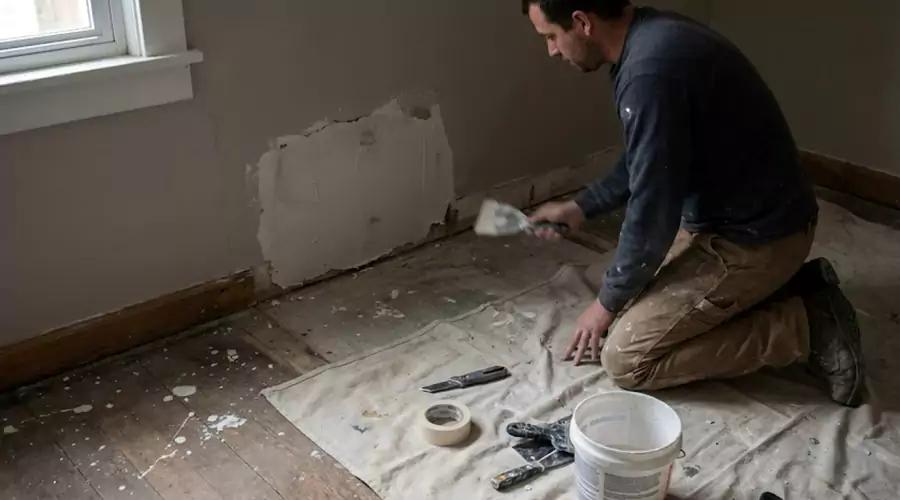
The best foundation crack repair depends entirely on the crack's direction and width. Epoxy injection fixes most cracks for $250 to $800 per crack. Structural failures climb to $30,000 or more.
Direction is the diagnosis. Vertical cracks usually mean harmless shrinkage. Horizontal cracks mean soil is winning against the wall.
Foundation crack repair rewards speed more than any other home fix. Contractor data keeps showing $5,000 problems becoming $20,000 problems when deferred a few years.
Read the Crack Before Picking a Repair
Every repair decision starts with three observations. Note the direction and the width and whether water comes through. Those three facts select the method before any contractor arrives.
| Crack type | What it means | Best repair |
|---|---|---|
| Vertical hairline | Concrete shrinkage during curing | Epoxy or polyurethane injection |
| Diagonal | Differential settlement | Injection plus monitoring |
| Stair-step in block | One section settling faster | Injection to reinforcement |
| Horizontal | Lateral soil pressure on the wall | Carbon fiber or wall anchors |
Width refines the read. Cracks wider than a quarter inch may signal structural movement regardless of direction. Take comfort in the odds because most cracks in home foundation walls are cosmetic shrinkage rather than structural distress.
Insider Tip: Wetness changes the method more than the price. Polyurethane foam stays flexible and suits actively leaking cracks while epoxy needs a dry crack to bond.
Normal Settling Cracks
Foundation settling cracks appear as soil compresses under a home's weight. They often show up within the first year of a new build from settling or concrete drying. Nearly all of them stay cosmetic forever.
Geometry identifies the harmless ones. Settling cracks run vertical or slightly diagonal down poured walls. Normal foundation settling cracks stay hairline at under an eighth of an inch with no displacement. Timing backs the read since cracks from house settling cluster in those early years and then stop growing.
Two variations deserve a second look. A settlement crack that measures wider at the top suggests settling while wider at the bottom suggests heaving. Meanwhile diagonal cracks from settling house frames also appear upstairs where doors and windows start sticking. That pairing upgrades a cosmetic note into an inspection call.
Insider Tip: Date every crack with a pencil mark at each end. A crack that never crosses its marks in six months has told you everything you need.
The Best DIY Repair Methods
Three DIY methods handle the cosmetic tier for under $100. Each matches a specific crack condition. Patching foundation hairlines yourself works because the goal is waterproofing rather than structure.
- Epoxy injection kits: A DIY kit runs $30 to $80 for vertical cracks under a quarter inch and delivers a bond comparable to professional injection. Ports glue over the crack and the two-part resin fills the void.
- Polyurethane foam kits: The flexible option for damp or weeping cracks. The foam expands to fill and moves with the seasons.
- Self-leveling caulk for slabs: Cosmetic floor cracks take polyurethane caulk for $50 to $100.
One method fails reliably enough to name. Sealing from the outside surface alone rarely lasts because water pressure eventually pushes through anything that doesn't fill the crack's full depth.
Insider Tip: Overfill injection ports slightly and shave the excess after curing. A starved port leaves a hidden void that becomes next spring's leak.
Corner Cracks and What They Mean
Corners concentrate stress the way a folded paper tears at the fold. Corner cracks in foundation walls form where two planes meet and load transfers unevenly. Most are settling artifacts while some mark a sinking footing.
Pattern separates the two. A crack in the corner of the foundation block that follows the mortar joints in a stair-step is classic differential settlement. A poured-wall corner crack that stays hairline and vertical usually reads as shrinkage finding the weakest point.
Movement decides the money. Corner foundation repair escalates to underpinning when that corner keeps dropping, since a pier under the failing footing is the only fix that addresses the cause. Static corner cracks just get injected like any other during foundation leak repair.
Structural Repairs for Serious Cracks
Structural cracks repair works in two directions because foundations fail in two directions. Bowing walls need lateral reinforcement while sinking footings need vertical support. The 2026 toolbox has a price tier for each.
Lateral failures get straps or anchors. Carbon fiber straps install at $400 to $1,100 each with most jobs needing 4 to 16 straps. Straps arrest movement but never pull a wall back into position. Walls already bowing past one inch do better with anchor systems that retract gradually over seasons.
Vertical failures get piers. Steel push piers cost $1,500 to $3,500 installed while helical piers run $2,000 to $4,000. Most homes need 3 to 8 piers for typical underpinning totals of $5,000 to $15,000.
Cosmetic work waits for last. Interior house crack repair in drywall and plaster only holds after the foundation underneath stops moving. Patch upstairs first and you'll patch twice.
Insider Tip: A structural engineer's inspection at $300 to $500 can save thousands because the engineer sells no repair and has no reason to upsell one.
Repairing Crumbling Foundation Surfaces
Crumbling is a different disease than cracking. Repairing crumbling foundation surfaces means treating spalling where the concrete face flakes and sheds rather than splits. Moisture and freeze cycles cause it from the outside in.
Depth decides the fix. Surface spalling under a half inch deep takes a wire-brush cleaning followed by a resurfacing coat of polymer-modified patching mortar. Deeper crumbling that exposes aggregate or rebar needs a professional assessment because rusting rebar expands and destroys concrete from within.
Address the water source in the same visit. Spalling always has a moisture supplier such as a leaking gutter or grade sloping toward the wall. Patching the face without cutting the water treats the symptom on a schedule.
What Repairs Cost in 2026?
Foundation crack repair pricing spans two orders of magnitude in 2026. The average sits near $800 with typical projects running $250 to $5,000 or more. The table maps method to money.
| Repair | 2026 cost |
|---|---|
| DIY injection kit | $30 to $80 |
| Professional epoxy injection | $350 to $800 per dry crack |
| Polyurethane injection | $400 to $1,000 per leaking crack |
| Carbon fiber wall project | $4,500 to $12,000 for a full wall |
| Exterior excavation repair | $2,000 to $7,000 per crack |
| Underpinning with piers | $5,000 to $15,000 typical |
Resale math rides on documentation. An unresolved foundation problem can cut a home's value by 10 to 15% and block conventional mortgage approval. Properly documented professional repairs carry minimal resale impact.
Warning Signs That Demand an Engineer
Eight signs upgrade a crack from maintenance to inspection. Any one of the first three deserves professional assessment when in doubt. Check them against your walls today.
- Any horizontal crack at any width.
- Any crack wider than a quarter inch.
- A crack that leaks water or is actively growing.
- Diagonal cracks over an eighth of an inch.
- Stair-step patterns in brick or block.
- Doors or windows sticking with new gaps at the frames.
- Visible wall separation or floor slope changes.
- A crack that reopens after a proper injection.
Timing pairs with the list. Horizontal cracks need immediate attention while vertical cracks should be repaired within 6 months and hairlines within a year.
Track the Crack Yourself
A $10 crack gauge turns worry into data. The monitor glues across the crack and shows movement in millimeters on a printed grid. Free versions work nearly as well for a patient homeowner.
Run the test in three steps. Mark both crack ends with dated pencil lines and measure the width at its widest point with a feeler gauge or a coin edge. Photograph the setup with a ruler in frame. Re-measure monthly and after the first hard freeze and the first spring thaw.
The verdict reads itself. A static crack over two seasons is a sealing job on your schedule. Growth in any month is your engineer's call with evidence already in hand.
Prevention Protects the Fix
Water management prevents most foundation movement for pennies against the pier tier. Soil that stays evenly damp neither swells nor shrinks under the footing. Four habits do the guarding.
- Extend the downspouts: Discharge water at least 10 feet from the wall.
- Grade away from the house: The first several feet of soil should fall visibly away from the foundation.
- Water the soil in droughts: Clay-soil regions benefit from soaker hoses keeping the perimeter from shrinking away.
- Keep thirsty trees back: Large roots near the wall pull moisture unevenly and settle one corner at a time.
Conclusion
Direction and width read the crack while the crack picks the repair. Injection handles the cosmetic majority for hundreds while straps and piers handle true movement for thousands. Horizontal cracks skip the line entirely and go straight to a professional. This week marks and measures every crack you can find. The pencil lines cost nothing and settle the question by summer.
FAQs
Are foundation cracks normal in a new house?
Yes. Hairline cracks commonly appear within the first year from settling and concrete drying and most stay cosmetic.
Which is better inside the crack: epoxy or polyurethane?
Epoxy gives the strongest structural bond but fails in wet cracks. Polyurethane flexes and seals active leaks.
Does homeowners insurance cover foundation cracks?
Rarely for settling or soil movement. Coverage usually applies only when a covered peril like a plumbing burst causes the damage.
Can I sell a house with a repaired foundation crack?
Yes. Documented professional repairs often have minimal impact on resale value so keep every receipt and warranty.
How long does epoxy injection last?
Effectively permanently in a stable wall. The resin bonds stronger than the surrounding concrete when installed dry.
Why did my patched crack come back?
The foundation is still moving. Returning cracks mean the cause needs fixing before any filler can hold.